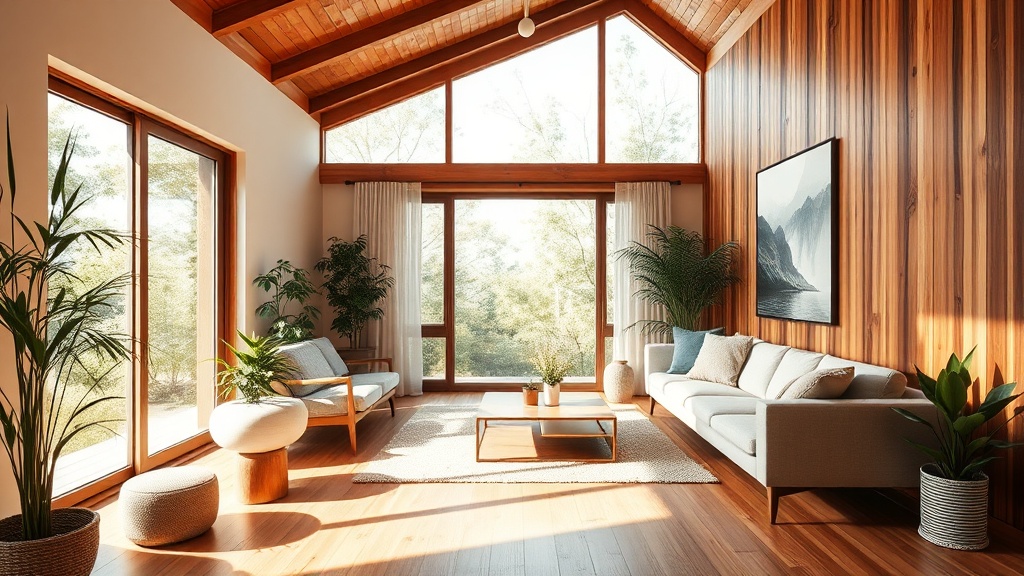
Biophilic Design on a Budget: 5 Easy Ways to Bring Nature Inside

Hook: Ever walked into a room and felt instantly calmer, like you were breathing fresher air? That’s the magic of biophilic design —bringing the outdoors inside. And guess what? You don’t need a $10,000 renovation to tap into it.
Context: As a former architect turned design educator, I’ve seen how strategic nature touches can transform a space’s vibe without breaking the bank. In my recent "Embracing Bio‑Harmony" post, we explored aligning your lifestyle with circadian rhythms. Today, let’s focus on the visual and tactile side: how to make any room feel greener, healthier, and more inviting on a shoestring budget.
What is biophilic design and why does it matter?
Biophilic design is the practice of integrating natural elements—light, plants, textures, and views—into built environments. Research from NASA shows that exposure to nature can reduce stress, improve concentration, and boost overall well‑being. (Source: NASA Study on Plants and Stress Reduction)
How can I add greenery without a green thumb?
1. Low‑maintenance foliage — Choose hardy plants like snake plant, pothos, or ZZ plant. They thrive in low light and need watering only once a month. (Source: The Spruce, "Easy Indoor Plants for Beginners")
2. DIY plant shelves — Repurpose reclaimed wood crates or metal pipe shelving. A quick paint in a muted tone keeps costs under $30 per unit. Check my for a step‑by‑step guide.
Which natural textures work best on a budget?
3. Bamboo or cork flooring accents — Instead of re‑doing the whole floor, add a bamboo runner in high‑traffic zones. It’s sustainably sourced, feels warm underfoot, and costs about $2 per square foot. (Source: EcoBuilding Pulse, "Bamboo Flooring Benefits")
4. Organic woven baskets — Use wicker or seagrass baskets for storage; they add texture and visual interest while keeping clutter hidden. Pair them with the to create a cohesive natural gallery.
How do I incorporate natural light without major window upgrades?
5. Light‑filtering sheer curtains — Choose curtains with a high light‑transmission rating (around 85%). They soften glare while preserving daylight. My explains the exact measurements to get the perfect drape.
Takeaway
You don’t need a designer’s budget to reap the benefits of biophilic design. Start with one or two of these low‑cost tactics, observe how the space feels, and layer more natural elements over time. Your home will feel more alive, and your mind will thank you.
<meta.faqs>
[
{"question": "What are the health benefits of biophilic design?", "answer": "Studies show reduced stress, lower blood pressure, and improved focus when indoor spaces include natural elements like plants and daylight."},
{"question": "Can I use fake plants for biophilic design?", "answer": "Yes, high‑quality artificial foliage can mimic the visual benefits, but real plants also improve air quality, so a mix works best."},
{"question": "How much does a basic biophilic makeover cost?", "answer": "You can start for under $50 by adding a few plants, a bamboo runner, and sheer curtains; larger upgrades scale with your budget."}
]
</meta.faqs>