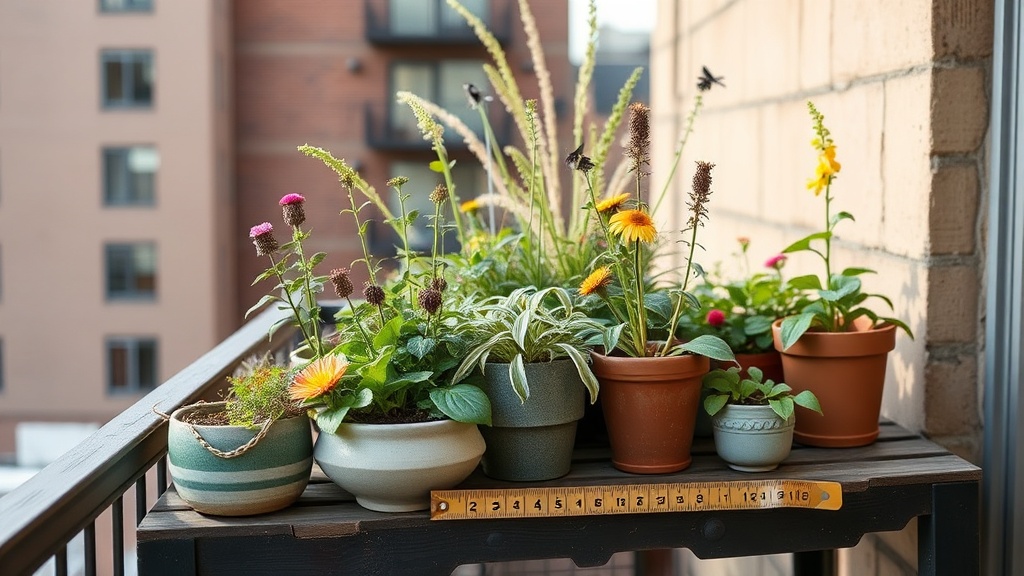
Chicago Balcony Planting Blueprint (Spring 2026): The Zone 6a Container System That Actually Survives

Chicago Balcony Planting Blueprint (Spring 2026): The Zone 6a Container System That Actually Survives
If your balcony plan is twelve cute nursery plugs in April and a graveyard by July, this is your intervention.
Chicago container gardening is not hard because you're bad at plants. It's hard because wind tunnels, fast-drying pots, and random warm spells punish vague planning. So here is the architecture-first version: climate math, pot sizing, and a plant mix that feeds pollinators without turning your balcony into a high-maintenance side hustle.
Step 1: Use Real Climate Data, Not Vibes
Two numbers matter before you buy a single plant:
- Hardiness reality: Most Chicagoland is now USDA Zone 6a.
- Frost baseline: Average last spring frost in Chicago is around April 17 (30% probability model), with first fall frost around November 1.
That does not mean "plant everything on April 18." It means tender annuals and warm-season edibles should wait until nights are reliably mild, while hardy perennials can stage earlier.
Step 2: Build Containers Like Structural Systems
Most balcony failures are engineering failures disguised as plant problems.
Use this spec:
- Pot volume first: For mixed native/perennial containers, use at least 14-18 inch diameter pots. Tiny pots dry too fast and overheat roots.
- Drainage is non-negotiable: If a pot has no drain hole, it's decor, not infrastructure.
- Soil is not "dirt": Use quality potting mix, then top with a thin mulch layer to slow evaporation.
- Weight and wind check: In Chicago, tall top-heavy plants in lightweight planters are a tipping hazard. Keep your center of gravity low.
My rule: if the container looks elegant but can't survive a windy Tuesday off the lake, it's not design. It's a prop.
Step 3: Plant by Light + Moisture Compatibility
Illinois Extension's best advice is boring and absolutely correct: combine plants that want the same conditions in the same container.
Don't mix a drought-tolerant sun plant with a moisture-loving shade plant and then blame yourself when one collapses.
Full to Partial Sun Pollinator Mix (Balcony Friendly)
- Penstemon
- Lanceleaf coreopsis
- Wild geranium
- Agastache (anise hyssop types)
- Silverrod
Shade-Leaning Mix
- Blue mistflower
- Cinnamon fern
- Gray's sedge or Pennsylvania sedge
- Little alumroot
- Foam flower
This is the high-low mix in plant form: ecological performance first, pretty second. The good news is natives give you both.
Step 4: Design for Bloom Sequencing, Not One Big Peak
A container can look incredible in May and useless by August if all blooms land at once.
Use at least 3 species with staggered bloom periods so pollinators get a longer food window and your balcony doesn't flatline mid-summer. Add one foliage-forward plant for visual structure after flowering drops.
You are building a season, not a photo.
Step 5: Watering Protocol for People With Jobs
Container soil dries much faster than in-ground beds. That's not user error; that's physics.
Use this maintenance rhythm:
- Check moisture at root depth, not just surface color.
- Water deeply when needed, then let oxygen return to the root zone.
- Expect higher frequency during heat + wind weeks.
- Group pots by thirst level so you're not overwatering half your setup to save one thirsty diva.
If you want your containers to survive summer, calendar reminders are smarter than guilt.
Step 6: Overwinter Like a Midwesterner
If you're investing in perennials, plan for winter now:
- Use frost-proof containers.
- Insulate roots with mulch around and over the pot zone.
- Add compost/leaves to support soil biology.
A lot of balcony gardens die in January, not July.
The Sourcing File (No Gatekeeping)
If you're in Chicago, start with regional-native lists and local extension guidance before scrolling trend reels. Regional fit beats aesthetic novelty every time.
- Illinois Extension: Container gardening fundamentals
https://extension.illinois.edu/container-gardens - Illinois Extension: Native pollinator container recommendations
https://extension.illinois.edu/news-releases/provide-resources-pollinators-any-space-container-gardens - Illinois State Climatologist: Illinois hardiness zones (including Chicagoland 6a context)
https://stateclimatologist.isws.illinois.edu/climate-of-illinois/illinois-plant-hardiness-zones/ - The Old Farmer's Almanac: Chicago frost-date baseline (1991-2020 normals)
https://www.almanac.com/gardening/frostdates/IL/Chicago
Bottom Line
A balcony garden that survives Chicago is not about buying rarer plants. It's about matching species to conditions, upsizing containers, and treating watering like operations.
Precision is kindness to plants.