Embracing Bio-Harmony: Aligning Your Lifestyle with Your Circadian Rhythm

Hook: Ever feel like your morning coffee never quite wakes you up, or that you’re dragging through the afternoon slump? What if the secret isn’t more caffeine but simply syncing your day to the body’s built‑in clock?
Context: As we step into spring, the longer daylight hours are a cue to reset our routines. Aligning your lifestyle with your circadian rhythm—what I like to call bio‑harmony—can boost energy, sharpen focus, and even make your home feel more welcoming.
What is Bio‑Harmony and Why Does It Matter?
Bio‑harmony is the sweet spot where your daily habits, environment, and biological clock move in concert. The circadian rhythm, a 24‑hour cycle driven by light, temperature, and food cues, governs sleep, hormone release, and metabolism. When you respect this rhythm, you’re essentially letting nature do the heavy lifting.
"Our bodies are designed for a predictable dance of light and dark; when we step out of step, we pay in fatigue and stress." — Sloane Halloway
How Does Light Shape Your Internal Clock?
Light is the master conductor. Morning exposure to bright, blue‑rich light tells your brain it’s time to wake, while dim, warm light in the evening signals wind‑down. I’m obsessive about measuring light levels—just as I would double‑check a brass measuring tape on a job site.
- Morning: Aim for 300‑500 lux within the first hour. Open curtains, turn on cool‑white LEDs (around 5000‑6500 K).
- Mid‑day: Keep ambient lighting around 300 lux. Natural light is best; position your desk near a window.
- Evening: Switch to warm‑white bulbs (2700‑3000 K) and dim them after sunset.
If you need specifics, check out my Kelvin Cheat Sheet for exact color temperatures per room.
Which Daily Habits Can You Tweak for Better Bio‑Harmony?
How Can I Adjust My Morning Routine?
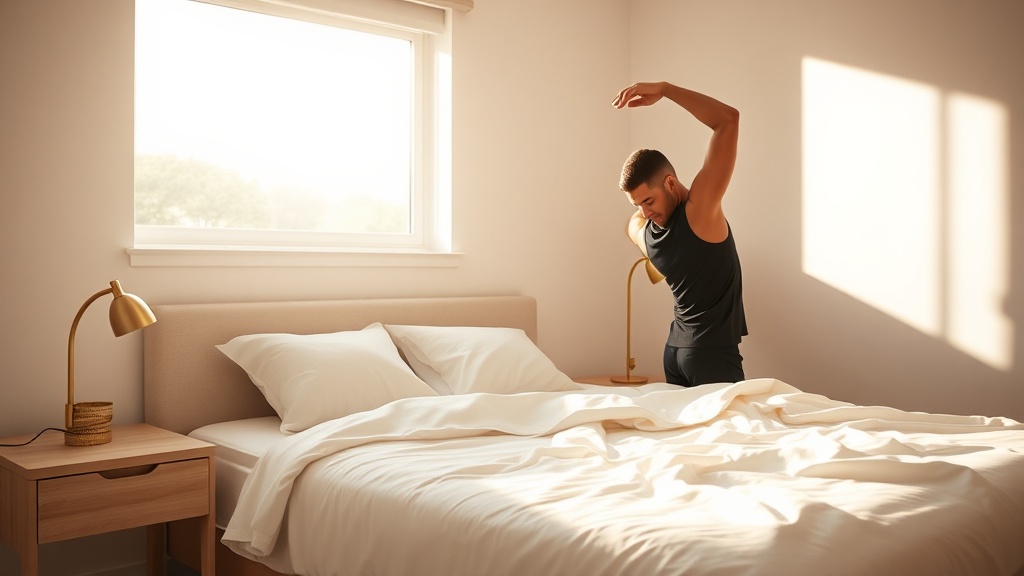
- Expose yourself to natural light within 30 minutes of waking. A quick balcony stretch (like I do on my Chicago balcony) does wonders.
- Eat a protein‑rich breakfast to jump‑start metabolism before the cortisol surge.
- Limit screens until after sunrise; the blue glow can delay melatonin release.
What Should I Do About My Afternoon Energy Dip?
- Take a 10‑minute walk outdoors. Even a brief exposure to daylight resets your internal clock.
- Hydrate with electrolytes; dehydration can mimic fatigue.
- Avoid heavy carbs after 2 pm; they spike insulin and can crash later.
How Can I Wind Down Effectively at Night?
- Dim lights an hour before bed. Use warm‑white bulbs or smart bulbs set to “sunset” mode.
- Keep the bedroom cool (around 65 °F/18 °C) – the body’s core temperature naturally drops to signal sleep.
- Limit caffeine after 2 pm and avoid alcohol close to bedtime; both disrupt REM cycles.
How Do I Translate Bio‑Harmony Into My Home Design?
Which Colors Support a Restful Environment?
Research from Harvard Health Publishing shows that cool blues and soft greens promote relaxation, while vibrant reds can raise heart rate. For a soothing bedroom palette, try muted teal or sage. My recent post on Color Drenching dives deeper into color psychology.
How Can I Optimize Lighting Fixtures?
- Layered lighting: Combine ambient, task, and accent lights. For entryways, my Entryway Lighting Plan outlines a budget‑friendly three‑layer system.
- Smart bulbs: Program them to shift from cool to warm tones as the day progresses.
- Avoid glare: Position fixtures to minimize direct glare on screens and work surfaces.
What Are the Quick Wins for a Spring Bio‑Harmony Reset?
- Swap your bedroom bulbs for 2700 K warm lights.
- Set a sunrise alarm on your phone or smart lamp.
- Add a plant that thrives on morning sun—like a snake plant—to improve air quality and signal daylight.
- Create a “no‑screen” zone after 8 pm; replace scrolling with reading or gentle stretching.
- Adjust meal timing: Aim for a balanced lunch around noon and a lighter dinner before 7 pm.
Takeaway: Your Bio‑Harmony Blueprint
By treating your home like a well‑drawn architectural plan—measuring light, choosing the right colors, and staging daily activities—you can harness the power of circadian rhythm for a healthier, more vibrant spring. Start with one lighting swap, a morning stretch, and watch how your energy levels shift. Your body is already tuned for the rhythm; you just need to give it the right cues.
Ready to dive deeper? Explore my other design‑focused guides for lighting, color, and space planning to keep your home in perfect sync with nature.