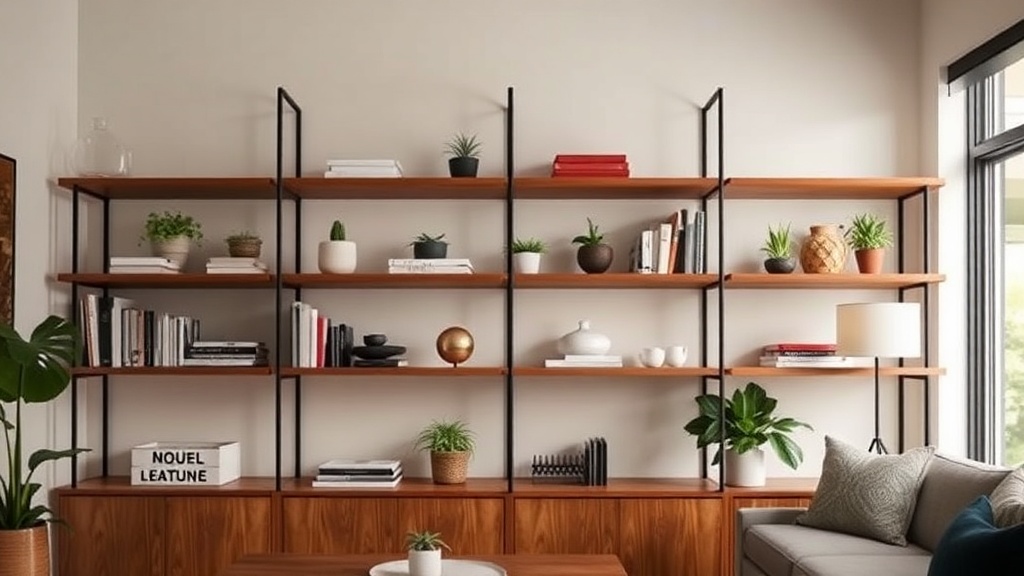
How to Style Open Shelving Like an Interior Design Pro

Open shelving transforms kitchens, living rooms, and bathrooms from cluttered storage zones into curated displays—but without a system, those shelves become dumping grounds for mismatched mugs and half-empty spice jars. This guide breaks down the exact layering techniques, spacing rules, and styling formulas that professional interior designers use to create shelves that look collected, not chaotic. Whether working with floating shelves in a rental kitchen or built-in bookcases in a forever home, these practical strategies work at any price point.
What Is the Rule of Thirds for Shelf Styling?
The rule of thirds for shelf styling means dividing each shelf visually into three horizontal sections and placing objects so no single "third" dominates entirely—creating balance without perfect symmetry. This architectural principle (borrowed from photography and composition theory) prevents the dreaded "bowling alley effect" where everything lines up in rigid rows.
Here's how it works in practice. On a 36-inch floating shelf, mentally mark three 12-inch zones. Place a tall ceramic vase in the left third, stack three Le Creuset mini cocottes in the center third, and lean a small framed print against the back wall in the right third. The heights vary. The textures contrast. The eye travels.
The same rule applies vertically across multiple shelves. Alternate tall items on the left, then center, then right as you move up—creating a zigzag rhythm that feels dynamic rather than static. That said, rules exist to be bent. A single dramatic object (a sculptural driftwood piece, an oversized antique brass scale) can anchor an entire shelf unit when placed slightly off-center.
Height Variation: The 3-5-7 Method
Professional stylists use what they call the "3-5-7 method" for guaranteed visual interest. Group objects in odd numbers—three, five, or seven items per shelf section—and ensure height variations of at least 3 inches between the tallest and shortest pieces in each grouping.
A typical kitchen shelf arrangement might include:
- A 12-inch tall marble mortar and pestle from Crate & Barrel
- A 7-inch stack of vintage cookbooks
- A 4-inch ceramic pinch pot
The 8-inch spread between tallest and shortest creates natural hierarchy. The objects relate to each other without competing.
How Do You Style Open Shelves Without Looking Cluttered?
The secret to uncluttered open shelving is the "70/30 breathing room rule"—fill only 70% of available shelf surface, leaving 30% completely empty to let objects visually pop. This isn't minimalist dogma; it's about giving each piece enough territory to register as intentional rather than accidental.
Start with a complete purge. Remove everything. Wipe the shelves. Then add back only items that serve one of three purposes: daily function (coffee mugs, cooking oils), visual weight (heavy ceramics, substantial books), or personal narrative (travel souvenirs, inherited objects). The catch? Everything must earn its spot through either utility or beauty—preferably both.
Color coordination prevents visual noise. Group items by temperature: warm terracottas, brasses, and woods together; cool whites, chromes, and blues in another zone. A shelf displaying all-white dishware against natural oak reads as serene and intentional. The same shelf with red plastic containers, neon green silicone tools, and mismatched novelty mugs screams "storage problem."
For kitchen shelves specifically, decant the ugly stuff. Transfer flour to a 2.5-quart OXO POP container. Pour cooking oil into an amber glass bottle with a pour spout. Store utilitarian items—aluminum foil, cleaning supplies—in closed cabinets below. Open shelves are for the pretty workhorses, not the embarrassing utilitarian necessities.
| Storage Solution | Best For | Price Range | Where to Buy |
|---|---|---|---|
| OXO POP Containers | Dry goods, pasta, flour | $12–$20 each | Target, Amazon, OXO.com |
| Anchor Hocking Glass Jars | Spices, loose tea, nuts | $8–$15 for sets | Walmart, WebstaurantStore |
| IKEA 365+ Food Containers | Refrigerated items, prep ingredients | $3–$8 each | IKEA stores |
| Le Parfait French Jars | Pickled vegetables, bulk grains | $10–$18 each | Sur La Table, Amazon |
| Weck Mold Jars | Display storage, pantry organization | $4–$12 each | Specialty food shops, Etsy |
What Are the Best Materials to Mix on Open Shelving?
The most visually compelling shelves combine at least three different materials—typically wood, ceramic or glass, and metal—to create tactile contrast that catches light differently throughout the day. This material layering is what separates styled shelves from merely "organized" ones.
Start with your shelf material as the foundation. Raw oak shelves provide warmth and grain pattern—let them show. Painted shelves (Benjamin Moore's Swan Wing is a designer favorite for soft white) create a cleaner backdrop that makes objects pop. The shelf itself is part of the composition, not just a support system.
Wood elements add organic warmth. Think cutting boards propped vertically, small walnut trays, or turned wooden bowls. West Elm's Carry Wooden Trays in acacia work beautifully—functional for serving, sculptural when stored.
Ceramic and glass provide cool contrast. Hand-thrown pottery (check local artisans or Etsy's ceramic shops) introduces slight imperfections that feel human. Clear glass keeps visual weight light—key for smaller shelves. Colored glass (vintage amber apothecary bottles, olive green Depression glass) adds saturated color without pattern clutter.
Metal finishes should coordinate, not compete. Brass and blackened steel pair well. Chrome and oil-rubbed bronze fight each other. Pick a metal family and stay consistent—brass bookends, brass frames, brass utensil crocks create cohesion even when the objects themselves vary wildly.
The "Foundational-Accent-Ephemeral" Formula
Professional designers organize shelf objects into three categories. Foundational pieces stay put year-round: heavy ceramics, substantial books, permanent storage containers. Accent pieces rotate seasonally: fresh herbs in small pots, holiday-themed items, a bowl of lemons in summer. Ephemeral elements change weekly: a just-opened cookbook to tonight's recipe, flowers from the garden, a postcard from a recent trip.
This system keeps shelves feeling alive without constant complete overhauls. Swap the ephemeral layer every Sunday during meal prep. Rotate accent pieces with the solstices. The foundational layer handles the heavy lifting of visual structure.
How Much Space Should You Leave Between Objects?
Leave approximately 2 to 4 inches between discrete objects on shelves—enough to prevent a cluttered appearance while maintaining visual relationships between related items. This spacing rule applies whether styling a 24-inch kitchen shelf or a 6-foot living room bookcase.
Negative space is an active design element, not absence. The gap between a stack of books and an adjacent ceramic bowl creates a visual pause—like white space in typography. Too tight and objects fuse into indistinguishable mass. Too loose and the shelf feels sparse and accidental.
Here's the thing about spacing: it varies by shelf depth. On shallow 6-inch floating shelves (common in modern kitchens), objects sit close together—almost touching—to maximize limited surface. On deep 12-inch library shelves, pull objects forward to the front edge rather than pushing them against the back wall. This creates depth and prevents the "museum display" feeling of objects stranded in space.
Stacking creates natural spacing variation. Horizontal stacks of books (3-4 maximum per stack) read as single units with breathing room between stacks. Vertical books need more side clearance—about 4 inches—to prevent looking squeezed. Lean art or cutting boards against the back wall, then place smaller objects in front at staggered depths. The layering creates dimension that flat arrangements lack.
Lighting for Shelf Display
Under-shelf lighting transforms open shelving from background storage to focal point. Battery-powered LED strips (the Philips Hue Lightstrip Plus integrates with smart home systems) mounted to the underside of upper cabinets cast downward light that eliminates shadows and adds warmth. Puck lights work for shelves without overhead cabinets—rechargeable options from Brilliant Evolution install with adhesive strips, no wiring required.
Warm light (2700K to 3000K) flatters wood tones and skin tones alike. Cool light (4000K+) reads as clinical and institutional—fine for garage storage, wrong for living spaces. Dimmable options let you adjust intensity from bright task lighting to evening ambiance.
The best styled shelves tell a story about who lives there. They display the pottery collected from that trip to Portugal. They hold the cookbook splattered with sauce from last month's dinner party. They organize the tools of daily life—coffee, cooking, conversation—into something worth looking at. Not perfect. Not static. Just intentional, layer by layer.
Steps
- 1
Start with a Clean Slate and Group Your Items
- 2
Create Balance with the Rule of Thirds
- 3
Layer in Texture, Greenery, and Personal Touches