Spring Home Energy Audit: Cut Costs Before Summer

Spring Home Energy Audit: Cut Costs Before Summer
What if you could shave $150–$300 off your energy bill before the AC‑season even starts? That’s the payoff of a quick, focused spring energy audit—no expensive contractor needed, just a few tools, a little curiosity, and a handful of rebates that are waiting for you.
Why do a home energy audit in spring?
Spring is the sweet spot for energy work. The weather is mild enough for you to open windows and test for drafts, yet the heating season just ended, so you can see where warm air escaped. Plus, utility companies roll out rebates and incentives in the first quarter to encourage upgrades before summer peaks.
What are the biggest energy wasters in a typical home?
Where are the drafts and leaks?
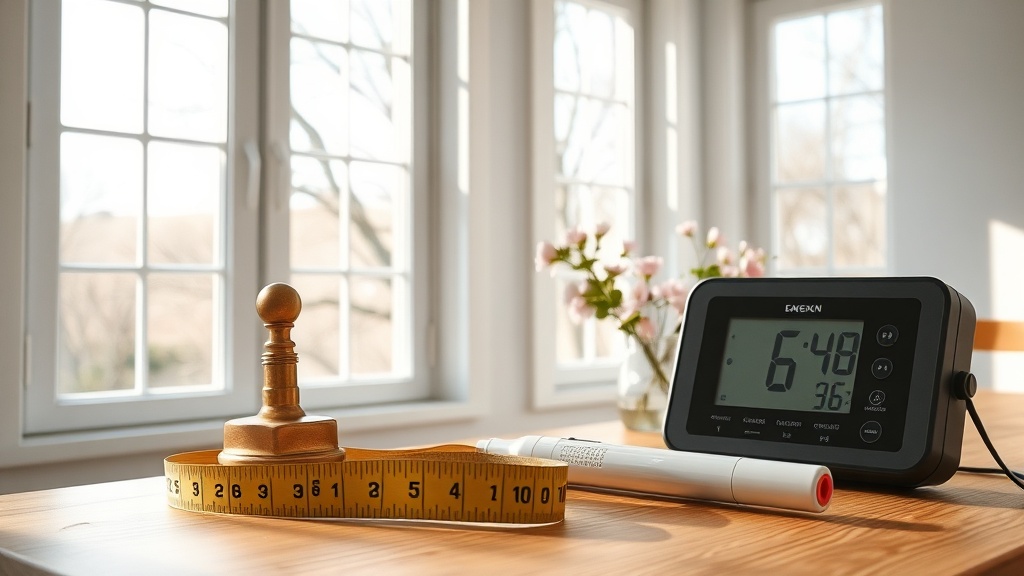
Air leaks around doors, windows, and even electrical outlets can waste up to 30 % of your heating and cooling energy (U.S. DOE). Grab a brass measuring tape (my go‑to tool) and an infrared thermometer to spot cold spots on interior walls.
Is my insulation underperforming?
Older homes often have gaps in attic or wall insulation. Use a simple feel‑test—press your hand into the attic floor; if you can’t feel resistance, you likely need more batts.
How efficient is my HVAC system?
Even a well‑maintained furnace can lose efficiency if ducts are leaky or filters are clogged. A quick visual check for disconnected sections and a 5‑minute run of the fan can reveal obvious issues.
Which DIY tools give the biggest bang for your buck?
- Infrared thermometer – spot cold walls and windows in seconds.
- Smart plug energy monitor – plug in lamps or your TV to see real‑time usage (e.g., Energy Saver guide recommends a minimum of three monitors).
- DIY blower‑door kit (optional) – a low‑cost kit (≈ $150) creates a pressure difference to highlight leaks; many utilities loan them for free.
How should I prioritize upgrades for maximum impact?
Rank fixes by cost vs savings and ease of implementation. Here’s a quick tiered roadmap:
Low‑cost, high‑return (under $50)
- Apply weather‑stripping to doors and windows.
- Seal outlet gaps with foam gaskets.
- Swap incandescent bulbs for ENERGY STAR LED fixtures (DOE LED guide).
Mid‑range investments ($100–$500)
- Upgrade attic insulation to R‑38 or higher.
- Seal and insulate ductwork.
- Install a programmable or smart thermostat (many utilities offer a $25‑$50 rebate).
High‑impact, longer‑term projects ($1,000+)
- Replace an old furnace with a high‑efficiency model (AFUE ≥ 95 %).
- Add low‑E window film or replace single‑pane windows.
- Introduce solar‑ready wiring for future PV panels.
Are there rebates or incentives you can tap into this spring?
Yes—both federal and local programs are alive right now:
- Federal Energy Efficient Home Improvement Tax Credit – up to 30 % of qualified upgrades (max $1,200) through 2026 (IRS).
- Utility‑specific rebates – many providers (e.g., Con Edison, PG&E) cover smart thermostats, LED upgrades, and insulation.
- DOE “Home Energy Score” – free professional assessment in many states; the report includes a list of local incentives (DOE).
Tip: Keep a spreadsheet of each rebate’s deadline and required documentation. Most expire on 30 September, so spring is the perfect window.
Quick‑Start Checklist
- Walk the perimeter with a flashlight; feel for drafts.
- Measure wall temps with an infrared thermometer; note cold spots.
- Seal gaps with weather‑stripping and outlet gaskets.
- Swap all bulbs to ENERGY STAR LEDs.
- Run a smart plug monitor on high‑usage devices for a week.
- Prioritize attic insulation and duct sealing.
- Research local rebates; file the paperwork before 30 Sept.
Related Reading
- Smart Home Security Systems 2026: Choosing & Budgeting – learn which smart thermostats pair best with security hubs.
- Budget Home Office Design 2026 – discover low‑energy lighting ideas for your workspace.
- Biophilic Design on a Budget – natural ventilation tricks that also cut cooling costs.
- Spring Refresh: Revitalize Your Home – a broader seasonal checklist that pairs nicely with an energy audit.
Takeaway: A spring home energy audit is a low‑cost, high‑impact project that not only trims your bills but also positions you to cash in on generous rebates before the summer heat arrives. Grab a tape, a thermometer, and a notebook—your wallet will thank you.