Spring Kitchen Clean‑Up: Zero‑Waste Meal Prep for Your Body Clock

Ever opened your pantry and felt like you were staring into a chaotic landfill? Spring is the perfect moment to hit the reset button, but what if you could turn that clean‑up into a sustainable, energy‑boosting routine?
A tidy kitchen isn’t just about aesthetics—it's the hub of daily habits that shape your health, waste footprint, and even your sleep. By aligning your pantry organization, storage choices, and meal timing with the body’s natural circadian rhythm, you get a kitchen that works for you, not against you.
How do I declutter my pantry effectively?
Step 1: Empty & Inventory
- Pull every item onto a clean counter.
- Toss anything expired, stale, or broken.
- Group similar categories (canned goods, grains, spices, snacks).
Pro tip: Keep a small notebook or a notes app on your phone to jot down what you have as you go. This prevents accidental over‑buying later.
Step 2: Categorize with Zones
- Everyday Essentials — items you use weekly (e.g., olive oil, rice).
- Meal‑Prep Staples — bulk beans, pasta, and spices you draw on for planned meals.
- Occasional Treats — specialty sauces, seasonal snacks.
Create clear zones on your shelves so you know exactly where each group lives. This mirrors the spring refresh guide that walks you through room‑by‑room zoning.
Step 3: Label & Store
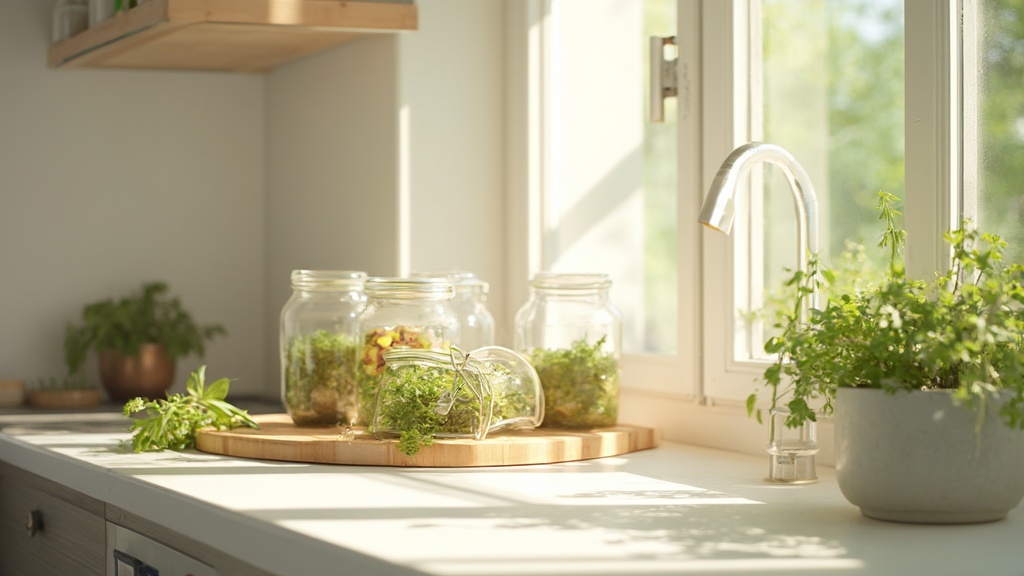
- Use reusable glass jars for dry goods. They’re airtight, look sleek, and keep pests out.
- For liquids, opt for stainless‑steel or BPA‑free bottles with pump dispensers.
- Label each container with a simple black‑on‑white tag—no fancy fonts needed.
Why it matters: Uniform containers and labels cut visual clutter and make inventory checks a breeze.
What zero‑waste storage solutions work best in a kitchen?
Which containers keep food fresh longest?
- Glass mason jars — excellent for flour, sugar, nuts, and leftovers.
- Silicone bags — perfect for frozen veggies; they’re freezer‑safe and reusable.
- Stainless‑steel tins — great for coffee beans and tea leaves.
How can I reduce packaging waste while shopping?
- Bring your own bags and jars to the grocery store. Many bulk sections now welcome personal containers.
- Buy in bulk only what you’ll use within a month. This avoids over‑stock that eventually spoils.
- Choose refill stations for pantry staples—think oat milk, cooking oils, and cleaning supplies.
For a deeper dive on sustainable sourcing, check out the Embracing Bio‑Harmony guide, which explores how mindful purchasing supports a low‑impact lifestyle.
How can I plan meals that align with my circadian rhythm?
What is the “body clock” and why does meal timing matter?
Your circadian rhythm is a 24‑hour internal clock that regulates hormones, metabolism, and sleep. Eating at times that sync with this rhythm can improve energy, digestion, and even weight management. Studies from the Harvard Health Blog show that eating larger meals earlier in the day and tapering off in the evening supports better sleep quality.
Sample Day‑long Meal Schedule
| Time | Meal | Why it Works |
|---|---|---|
| 7 am – 9 am | Light protein + complex carbs (e.g., Greek yogurt with oats) | Kick‑starts metabolism when cortisol peaks. |
| 12 pm – 2 pm | Balanced lunch with veggies, protein, healthy fats | Aligns with the body’s peak insulin sensitivity. |
| 5 pm – 6 pm | Smaller dinner, focus on vegetables and lean protein | Prevents late‑night glucose spikes that disrupt sleep. |
| After 8 pm | Optional herbal tea or a small snack if needed | Keeps the digestive system calm for nighttime rest. |
How do I integrate this with zero‑waste prep?
- Batch‑cook on Sunday using your newly organized pantry. Portion meals into reusable containers.
- Label each container with the intended eating window (e.g., “Lunch — 12 pm”).
- Store meals in the fridge where they’re visible, reinforcing the schedule.
What are quick wins for a sustainable kitchen makeover?
- Swap single‑use zip‑top bags for reusable silicone bags—cut waste by up to 80% per year ([EPA Food Recovery](https://www.epa.gov/recycle/food-recovery)).
- Install LED lighting with a warm 2700‑3000 K hue to mimic natural daylight, improving mood and reducing energy use ([The Kelvin Cheat Sheet](https://designerdepot.blog/the-kelvin-cheat-sheet-why-every-room-in-your-home-needs-a-different-light-bulb-and-the-exact-numbers)).
- Add a small herb garden on the windowsill. Fresh herbs reduce grocery trips and add flavor without packaging.
Takeaway
Spring cleaning isn’t just a chore—it’s an opportunity to redesign your kitchen around sustainability and your body’s natural rhythm. By decluttering, swapping to zero‑waste storage, and timing meals to your circadian clock, you’ll enjoy a cleaner space, less waste, and steadier energy throughout the day. Start today: empty that pantry, label those jars, and set your first meal‑prep timer. Your kitchen (and your body) will thank you.
Related Reading
- Spring Refresh: Revitalize Your Home for a New Season — A room‑by‑room guide to seasonal deep cleaning.
- Embracing Bio‑Harmony: Aligning Your Lifestyle with Your Circadian Rhythm — The science behind syncing daily habits with your internal clock.
- The Kelvin Cheat Sheet: Why Every Room in Your Home Needs a Different Light Bulb — Choose the right lighting for mood and efficiency.