The Anatomy of a Cohesive Living Room: High-Low Design That Works

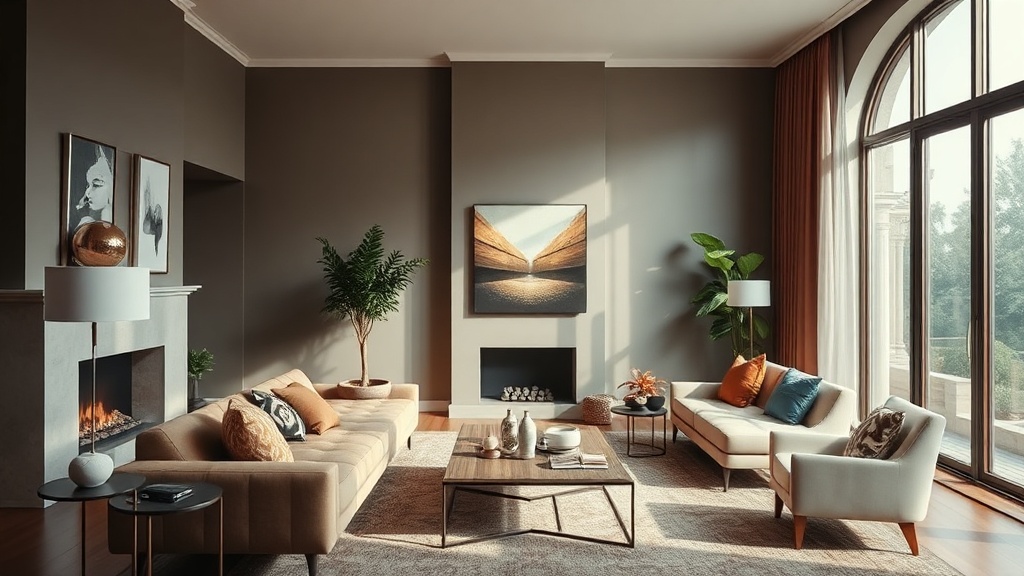
Let’s look under the hood of a living room that actually works, without requiring a $20,000 budget. Most living rooms fail not because of the furniture but because of scale, tension, and material integrity. Here, I’ll walk you through the anatomy of a cohesive, layered space that marries high-value sourcing with smart, affordable choices.
The Rule of Thirds in Your Layout
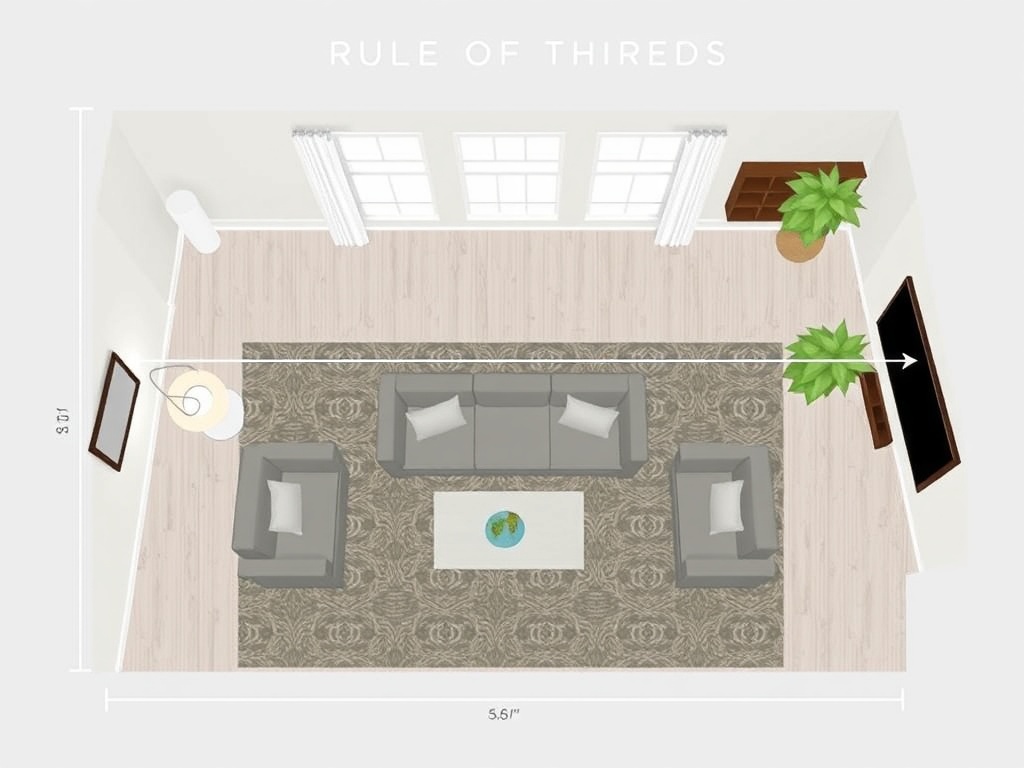
Start with placement. The Rule of Thirds isn’t just for photography—it dictates balance in spatial composition. For example, if your sofa occupies one third of the room’s length, anchor the opposite third with a focal element like a console or bookshelf. This avoids the 'floating furniture' effect, which is the silent killer of engagement in interiors.
(Parenthetical aside: The rule can be adjusted if your room is asymmetrical, but maintain the tension visually.)
Mixing Materials: Patina vs. Finish
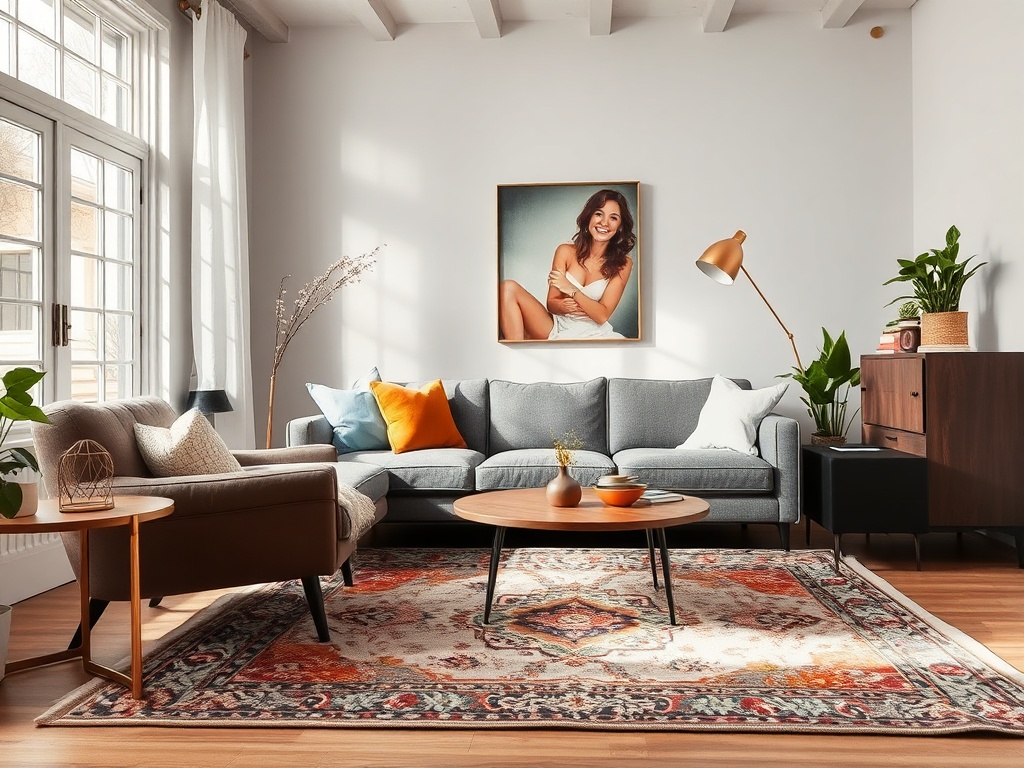
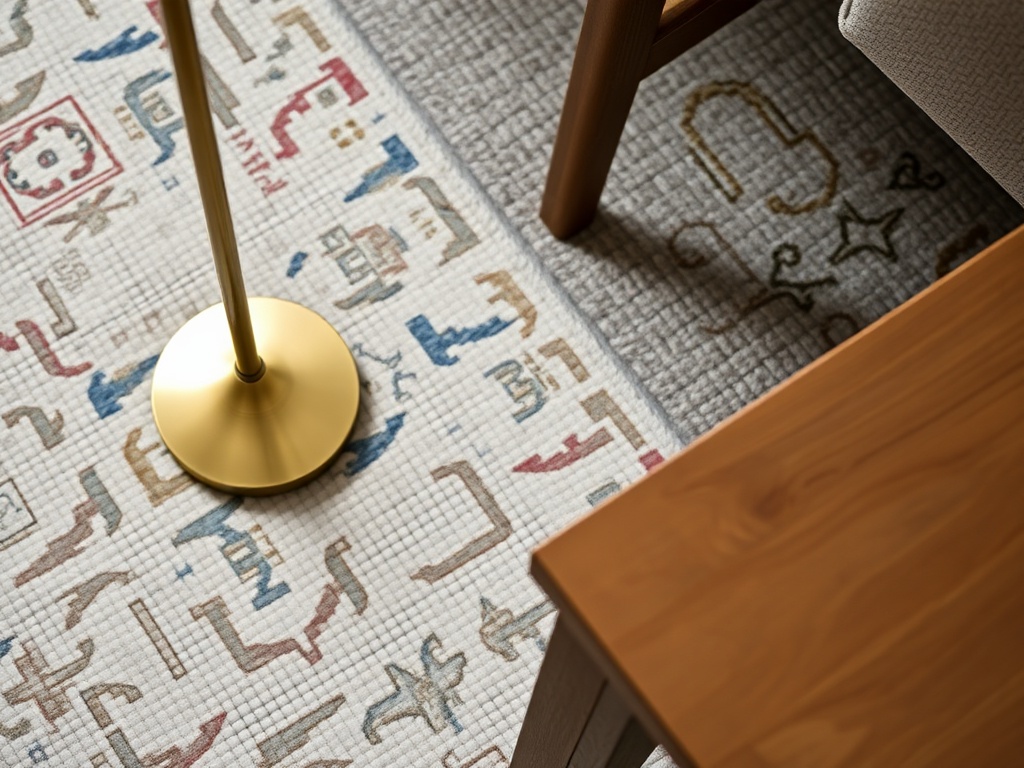
High-low sourcing is all about material contrast. Pair an unlacquered brass lamp with a $50 vintage textile to create depth. The brass ages with dignity; the textile injects immediate soul. Avoid 'matching' everything, because uniformity equals sterile design.
Wood grains, metal patinas, and textile GSM all matter. For example, 600 GSM on a rug ensures durability without looking overstuffed. Touch is critical: always feel swatches before committing.
Lighting: Kelvin Counts
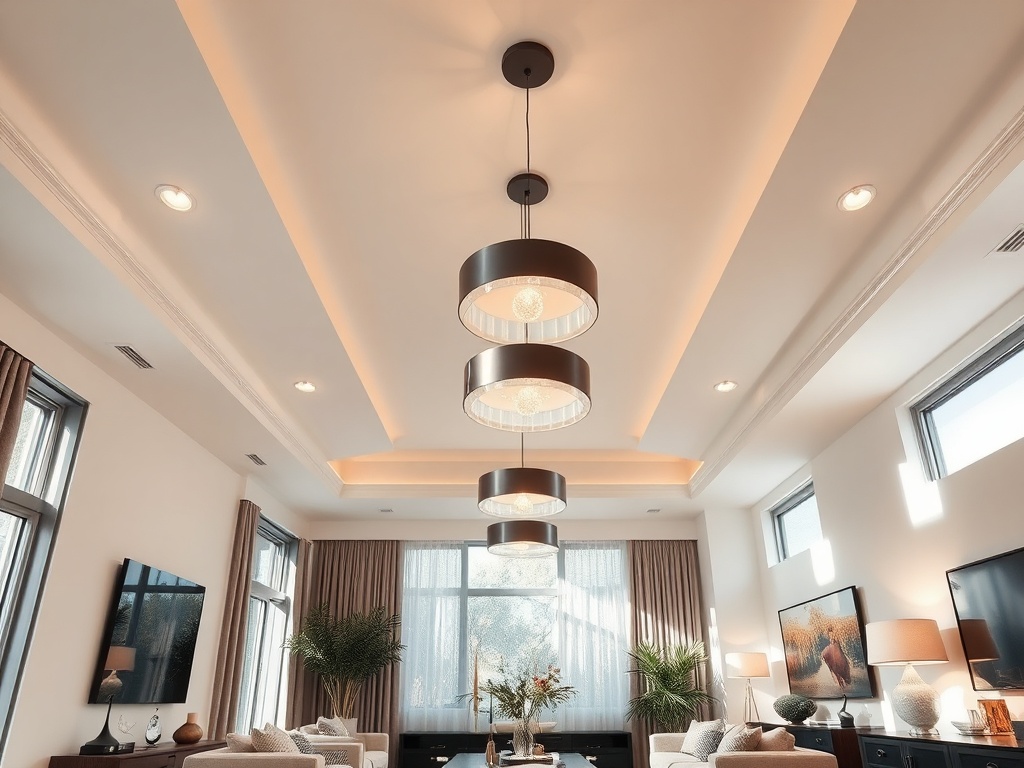
Ceiling fixtures often go unnoticed, but the 'fifth wall' dramatically impacts perception. Avoid integrated LEDs—they limit flexibility and are disposable. Choose fixtures where bulbs are replaceable, ideally with adjustable Kelvin for layering light. A 2700K warm light creates intimacy, while a 4000K option highlights textures during the day.
Splurge vs. Save: Anchoring vs. Accents
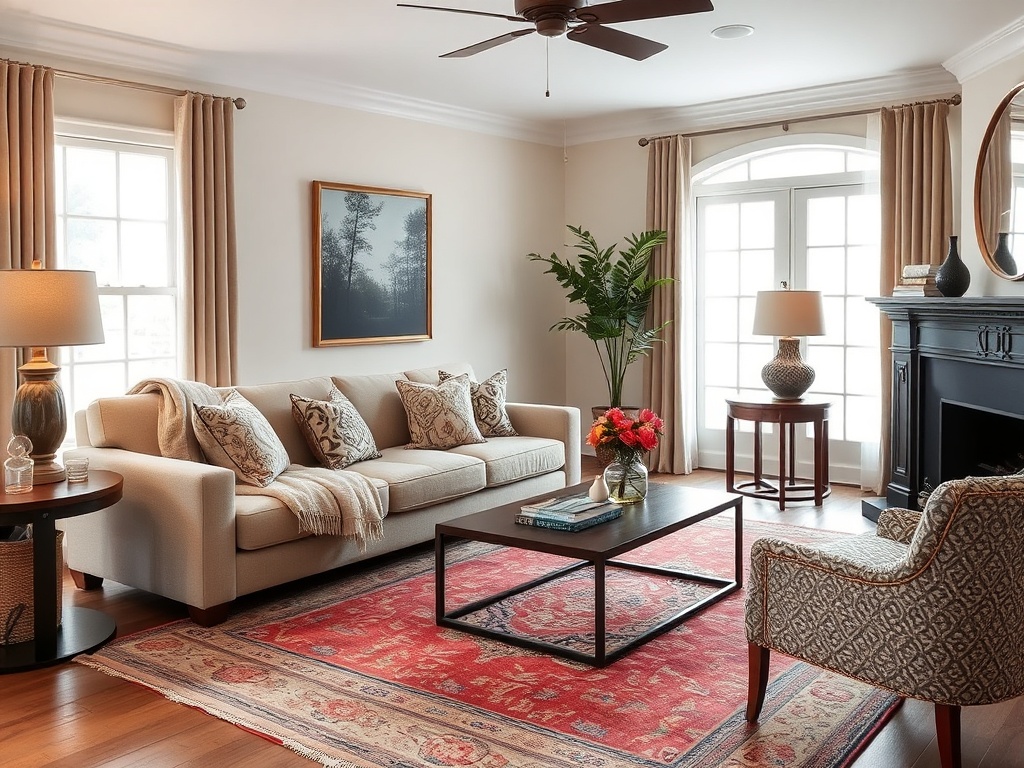
Invest in structural elements: sofa, coffee table, main rug. These items should last decades. Save on accessories: side tables, textiles, lamps. The visual trick is proportionality—splurge on one or two statement pieces, then layer in economical items for contrast.
(Pro tip: A $2,000 sofa paired with a $50 throw can feel curated, not cheap.)
Ceiling and Walls: The Fifth Wall
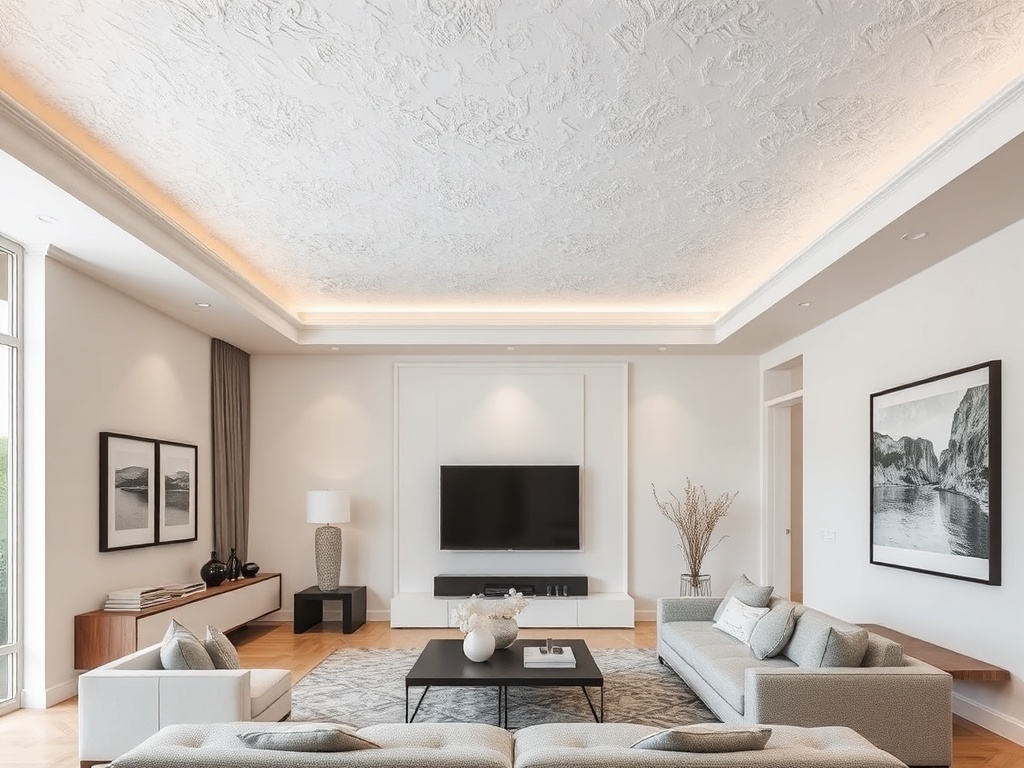
Ceilings are often blank, which is a missed opportunity. Add subtle color or texture—think plaster finish or muted tone. Walls are more forgiving: use artwork or paneling to create zones. Always consider the room’s scale and the furniture’s footprint.
Pro Tip: The Nerds in the Back
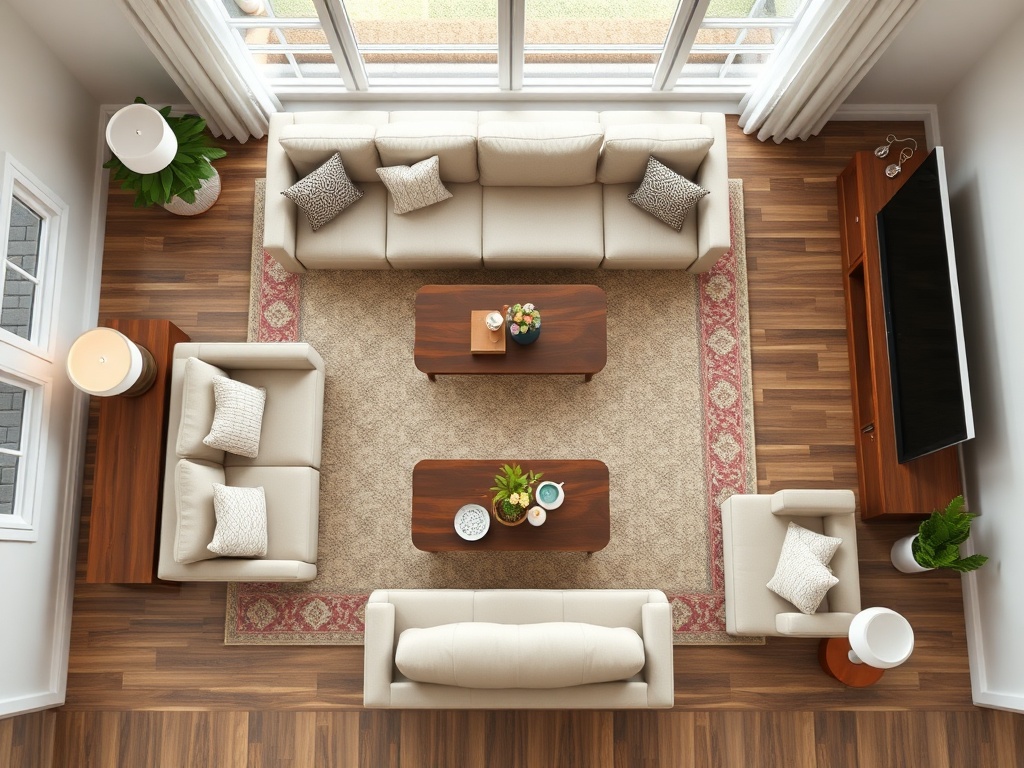
Always measure and double-check dimensions. A 9x12 rug in a 14x18 living room creates proper proportion. Smaller rugs make furniture appear disconnected. Use a physical measuring tape (digital approximations are fine, but precision matters). Layered rugs can work if textures and tones complement.
Conclusion
The anatomy of a living room that works is about tension, proportion, and material integrity. By applying the Rule of Thirds, mixing textures, controlling lighting, and strategically splitting splurge vs. save, you create a room that’s both functional and soul-filled. Every element should feel intentional; every choice should have a rationale.
Final whisper: never underestimate the power of touch and proportion. Even a $50 vintage throw on the right sofa can transform the room.