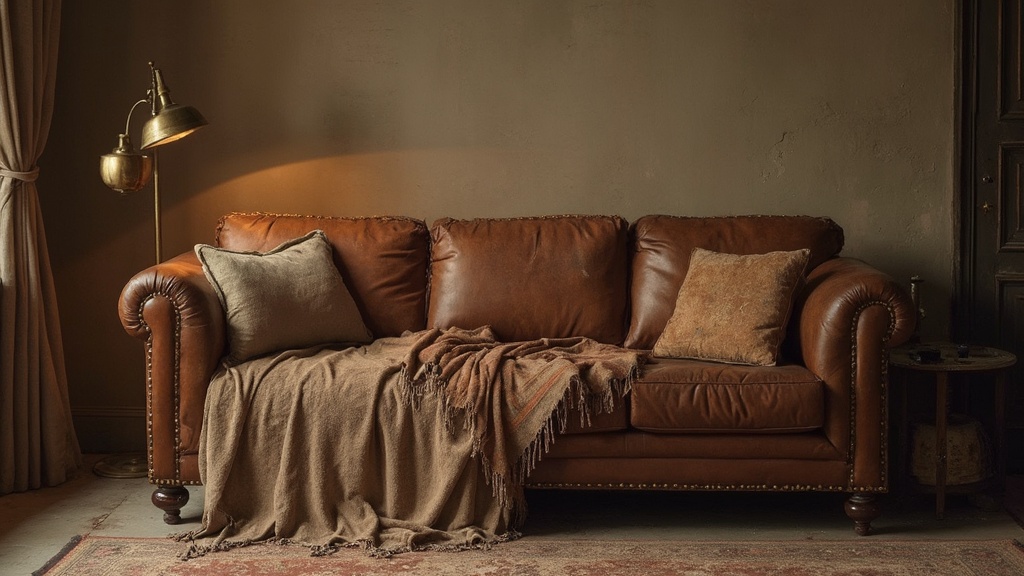
The Patina Renaissance: Why Designers Are Ditching 'Perfect' for 'Proven' (And Where to Source the Real Thing)

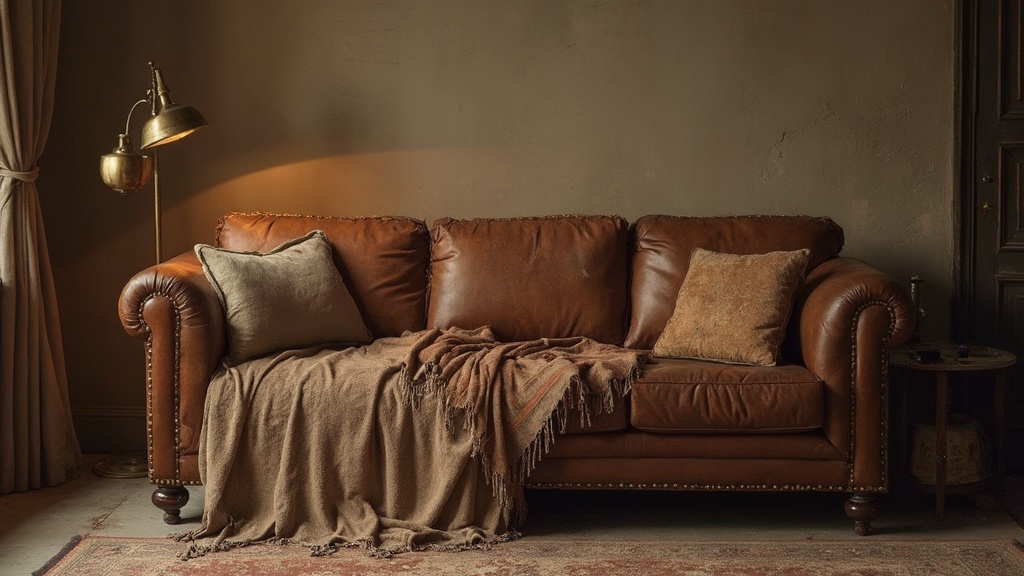
Let’s look under the hood of the design world’s quiet revolution.
We’re witnessing a pendulum swing—away from the clinical, soul-less minimalism that dominated the 2010s, toward something with pulse. The industry calls it "The Patina Renaissance," but I call it what it is: a return to material honesty. The 73% of you who’ve been secretly bored by "sad beige" interiors (yes, I see you in the comments), this is your permission slip.
What "Patina" Actually Means (For the Nerds in the Back)
Patina isn’t just "old stuff looks cool." It’s a surface change caused by oxidation, wear, or environmental exposure over time. On unlacquered brass, it’s the greenish-brown tarnish that tells you someone touched this doorknob every day for forty years. On full-grain leather, it’s the darkening at the armrests where a thousand elbows rested.
It’s the visual evidence of provenance—the documented history of who owned, used, and cared for an object.
Technical Spec Note: True patina forms on materials that age structurally, not just cosmetically. That’s why bonded leather (essentially leather-particleboard) cracks and flakes—it’s surface dye over pulp. Full-grain leather (3-4mm thickness, top-grain intact) develops character. The former is designed to die. The latter is designed to outlive you.
The Three Pillars of the Patina Renaissance
1. Unlacquered Brass: The Only Metal Worth Its Salt
I’ve been shouting this from the drafting table for years: if it’s lacquered, it’s landfill-bound. Lacquer is a plastic coating that prevents oxidation—and prevents your hardware from developing that living, breathing finish that makes a room feel collected, not cataloged.
Unlacquered brass starts bright gold, shifts through bronze-brown, and settles into a dignified gunmetal with green undertones. It’s a 20-year timeline you can hold in your hand.
The Splurge: Peter Zumthor-designed hardware (if you can find it) or Taymor’s unlacquered line—they own their foundry, quality control is rigorous.
The Save: Hunt estate sales for 1960s-70s solid brass hardware. Look for the heft (solid brass weighs significantly more than plated zinc) and magnetic non-attraction. Price range: $3-15 per piece versus $45-80 retail.
Pro Tip: If you find lacquered vintage brass, acetone removes the coating. Work outdoors, wear gloves, and embrace the 6-month oxidation timeline. It’s a design decision with patience built in.
2. Full-Grain Leather: The "Aniline" Difference
The leather industry is a swamp of mislabeling. Here’s your decoder ring:
- Bonded Leather: 10-20% leather fibers glued to polyurethane. Lifespan: 3-5 years. Avoid.
- "Genuine Leather": The lowest grade of real leather, heavily corrected (sandpapered and dyed). Lifespan: 5-8 years. The term is legally meaningless—marketing sleight of hand.
- Top-Grain: The top layer sanded to remove imperfections. Good, but you lose the natural grain.
- Full-Grain: The entire hide, scars and all. It breathes, absorbs oils, and develops the coveted "aniline" finish—a translucent dye that lets the grain show through. Lifespan: 30+ years, developing character the entire time.
The Splurge: de Sede or B&B Italia full-grain pieces. You’re paying for hides sourced from European alpine cattle (fewer barbed wire scars) and 2.5mm+ thickness.
The Save: Article’s Sven collection uses full-grain, full-aniline leather at $1,800-2,400 versus the $6,000+ Italian equivalents. I’ve seen the hides. They’re legitimate.
The High-Low Hack: Buy one full-grain vintage club chair ($400-600 at auction) as your anchor. Pair it with a mid-market sofa. The leather’s patina elevates the entire room through associative prestige.
3. Natural Textiles: Linen, Wool, and the Art of "Good Ugly"
I’ve written about GSM (grams per square meter) before, but for textiles with patina potential, fiber content matters more than weight.
Linen: 100% flax, stonewashed or garment-dyed. The slubs (those thick/thin irregularities) are fiber signatures, not flaws. Belgian and Irish linens (Libeco, Baird McNutt) have tighter weaves and softer hand-feel. Proper linen gets softer and more luminous with each wash.
Wool: Look for "undyed" or "natural" colorways—those beiges, greys, and browns come from the sheep’s actual coat, not chemical baths. They shift tone subtly over years of sun exposure.
The Anti-Patina Trap: Performance fabrics (polyester microfiber with "stain-resistant" coatings). They resist everything—including the organic aging that gives textiles soul. If you can’t live with a wine spill, buy a darker color. Don’t buy plastic masquerading as fabric.
The Psychology of Patina (Or: Why Your Brain Likes "Lived-In")
There’s actual neuroscience here. A 2019 study in the Journal of Environmental Psychology found that interiors with visible material history (wear patterns, oxidation, hand-formed irregularities) trigger higher parasympathetic nervous system activity—your "rest and digest" state. The theory: our brains evolved to seek environments that proved habitable over time. Perfect surfaces read as artificial, activating low-grade vigilance.
Translation: that "Instagram-perfect" room with no fingerprints is actually stressing you out.
The Sourcing Manifesto: Where to Find the Real Thing
I don’t gatekeep. Here are my vetted sources, categorized by acquisition strategy:
For Unlacquered Brass Hardware
- Rejuvenation (filter by "unlacquered brass") — Portland-based, own their manufacturing
- Lee Valley — Canadian, exceptional quality control
- 1stDibs vintage section — search "unlacquered brass," sort by price low-to-high
- Estate sales in pre-1980s homes — look for "solid brass" in descriptions, avoid "brass finish"
For Full-Grain Leather Furniture
- Article — Sven and Charme lines, verify "full-grain aniline" in specs
- The Room Place — surprising vintage-inspired full-grain pieces
- LiveAuctioneers — search "French club chair" or "vintage Chesterfield," set alert
- Local auction houses — the "brown furniture" recession means 1970s leather is undervalued
For Natural Textiles
- Libeco Home — Belgian linen, the gold standard
- Pom Pom at Home — stonewashed linen at accessible price points
- Ben Soleimani — hand-knotted wools that age beautifully
- Etsy vintage Moroccan blankets — look for sellers with 500+ reviews
The Patina Maintenance Myth
Let me dismantle a dangerous idea: that patina means "zero maintenance." Wrong. Patina is earned through care, not neglect.
Unlacquered Brass: Wipe with a dry cloth weekly. If you hate the oxidation phase, use Renaissance Wax (museum-grade microcrystalline wax) to slow it. Never use brass polish— it strips the living finish.
Full-Grain Leather: Condition every 6-12 months with aniline leather conditioner (I use Leather Master). Avoid silicone-based products—they create a plastic sheen that prevents breathing.
Natural Linen: Wash cold, hang dry. The "wrinkles are character" ethos is true, but sharp creases from folding will become permanent. Roll storage is best.
The Final Word: Design for the 30-Year Timeline
The Patina Renaissance isn’t nostalgia. It’s a rejection of planned obsolescence. Every piece I recommend—from the $400 estate sale chair to the $3,000 sofa—shares one trait: it will look better to your children than it does to you.
That’s the High-Low philosophy in its purest form. Not cheap versus expensive. New versus proven. Disposable versus enduring.
Pro Tip (The Whispered Secret): Start with your hands. The next time you’re evaluating a piece, run your palm across the surface. If it’s cold, slick, and uniform, it’s designed to die. If it’s warm, irregular, and slightly yielding, it’s designed to outlive you. Your fingertips know the difference before your brain catches up. Trust them.
— Sloane
The School of Sourcing