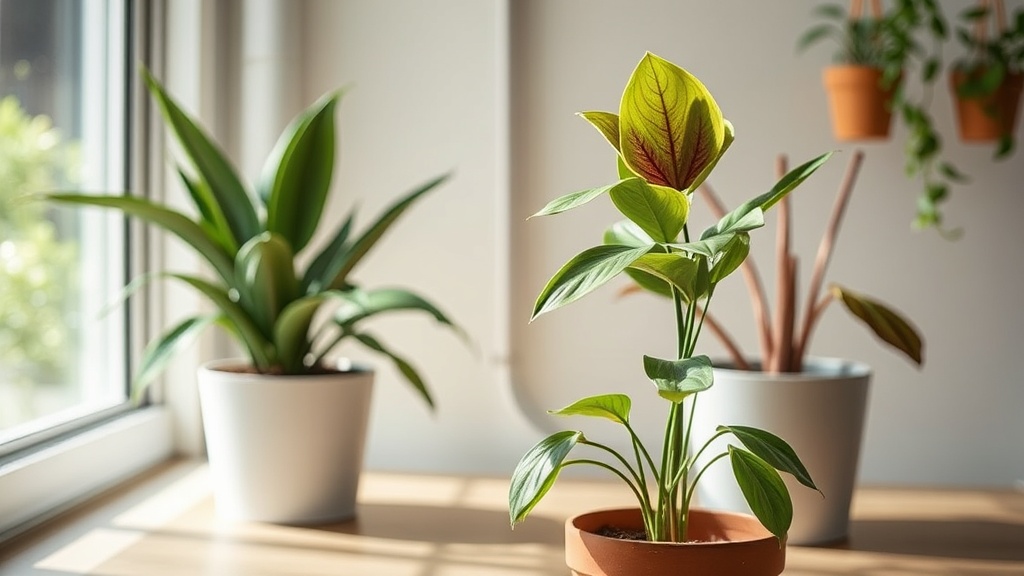
Why Your Indoor Plants Keep Dying

Quick Tip
Most houseplants die from overwatering rather than underwatering.
The Anatomy of a Dying Plant
A yellowing Monstera leaf drooping toward a ceramic floor tile or a brittle, parched Snake Plant sitting in a corner is a common sight in homes where the aesthetic vision outpaces the environmental reality. Most people treat indoor plants as static decor—like a sculptural vase or a piece of framed art—but plants are living biological systems that require specific structural conditions to thrive. If your greenery is consistently failing, it is likely not a "black thumb" issue, but a fundamental misunderstanding of light, drainage, or humidity.
The Light Paradox
The biggest mistake in interior plant styling is placing a plant based solely on where it looks best visually. A Fiddle Leaf Fig might look stunning in a dim corner next to a velvet armchair, but without direct or bright indirect light, it will eventually drop its leaves. You must map the light in your room before you buy the plant. Use a light meter app on your phone to check the foot-candle levels in your specific spots. For example, a window facing North provides low, consistent light, whereas a South-facing window offers intense, direct sun that can actually scorch the leaves of a Calathea.
Drainage and Substrate Integrity
Most decorative planters are "cachepots"—they are beautiful shells meant to hold a plant, but they lack drainage holes. If you are planting directly into a decorative vessel without a hole at the bottom, you are creating a stagnant pool of water at the root level. This leads to root rot, a silent killer that turns healthy roots into mush. To avoid this, always keep your plant in its plastic nursery pot (the one with the holes) and simply nestle that inside your high-end ceramic or terracotta pot. This allows you to monitor moisture levels and ensures excess water can escape.
The Humidity Factor
Modern HVAC systems are designed to control temperature, but they often strip the air of moisture, leaving your tropical plants gasping. If you notice brown, crispy edges on your leaves, the air is too dry. Instead of relying on misting—which is largely an ineffective, temporary fix—use a pebble tray or a dedicated humidifier nearby. Integrating more greenery can also help stabilize a room's microclimate, a key principle of biophilic design. By understanding the actual biological needs of your specimens, you move from being a consumer of decor to a curator of a living environment.