6 Ways to Fix a Room That Feels Too Dark

Swap Matte Paint for Satin Finishes
Layer Your Lighting Sources
Use Large Mirrors to Bounce Light
Choose Reflective Decor Accents
Clear Your Window Obstructions
Incorporate Light-Colored Textiles
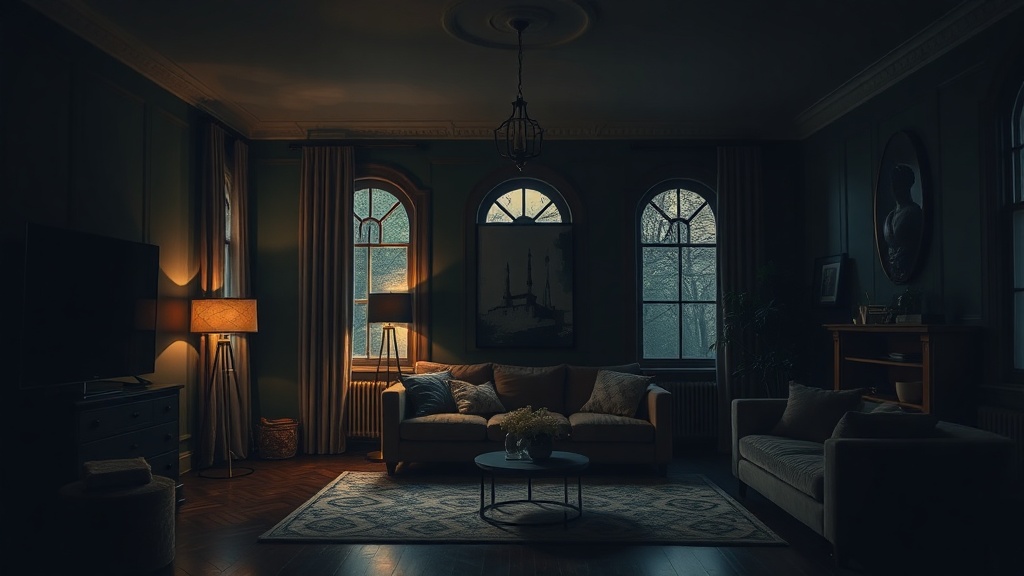
A room with low light levels often feels heavy, cramped, or even uninviting, regardless of how much furniture you own. This darkness isn't always a result of poor architecture; more often, it is a failure of light management and surface reflectivity. When light hits a matte, dark-colored wall, it is absorbed rather than bounced, leaving the corners of the room in shadow. This guide breaks down six structural and decorative interventions to redirect light, increase luminosity, and transform a dim space into a functional, bright environment without requiring a full renovation.
1. Optimize Your Light Reflectance Value (LRV)
In architectural design, we look at the Light Reflectance Value (LRV) of a color. This is a scale from 0 to 100 that measures how much light a color reflects. A pure black has an LRV of 0, while a pure white is near 100. If your room feels dark, you likely have a low LRV across your major surfaces. While many people instinctively reach for a stark, "hospital white," that can often look gray and dingy in a low-light room. Instead, look for "warm whites" or light neutrals with a high LRV.
When choosing paint, look at the swatch under different lighting conditions. A paint like Benjamin Moore's Simply White or Sherwin Williams' Alabaster provides a crispness that bounces light without feeling clinical. If you cannot repaint the walls, focus on the ceiling. The ceiling is the largest horizontal surface in the room; painting it a bright, flat white will help reflect light back down into the living space. Even a slight change in the sheen—moving from a matte finish to a satin or eggshell—can increase the amount of light reflected off the walls.
2. Layer Your Lighting Sources
A single overhead light fixture is the enemy of a well-lit room. It creates harsh shadows and leaves the perimeter of the room in darkness, which actually makes the space feel smaller and more enclosed. To fix a dark room, you must implement "layering." This means using three distinct types of light: ambient, task, and accent lighting.
- Ambient Lighting: This is your base layer. Instead of relying on a central ceiling light, use floor lamps or recessed lighting to distribute light more evenly.
- Task Lighting: This provides functional light for specific activities. A high-quality desk lamp or a pharmacy-style floor lamp near a reading chair adds localized brightness.
- Accent Lighting: This is where you draw the eye to specific architectural features or decor. Use battery-operated LED picture lights or small uplights behind a large plant to add depth.
If you are renting or cannot access your electrical box, you can still achieve this through smart ways to upgrade your lighting without rewiring. Plug-in sconces and rechargeable LED lamps are highly effective tools for adding layers of light to dark corners without the need for a professional electrician.
3. Utilize Reflective Surfaces and Mirror Placement
Mirrors are the oldest trick in the designer's book for a reason: they are essentially windows that don't require a view. However, most people hang mirrors randomly. To actually brighten a room, you must treat a mirror as a light-directing tool. The goal is to place the mirror where it can catch a light source—either a window or a lamp—and bounce that light into the darker parts of the room.
If you have a window facing a dark corner, place a large, floor-length mirror or a wide rectangular wall mirror on the adjacent wall. This creates the illusion of a second window. For a more subtle approach, incorporate reflective materials into your furniture and decor. A glass coffee table, metallic accents like brass or chrome trays, and even high-gloss ceramics will catch whatever light is available and scatter it throughout the room. This prevents the light from "dying" when it hits a surface.
4. Address Floor-Level Darkness
A common mistake in interior design is neglecting the floor. If you have dark hardwood floors or a heavy, dark-colored rug, you are essentially creating a "light sink" at the bottom of the room. The floor absorbs a significant amount of downward-traveling light, which contributes to that heavy, subterranean feeling. To combat this, you need to introduce lighter textures at the ground level.
If you have dark wood floors, consider layering a lighter-colored rug over them. A jute rug or a light-colored wool rug can significantly brighten the visual weight of the room. When selecting a rug, pay attention to how it interacts with your furniture. If your rug is too small or too dark, it can make the room feel truncated. For more advice on how to select the correct scale for your space, read our guide on why your rug is making your room look small.
Additionally, ensure your furniture legs are not all heavy and solid. Furniture with "legs"—such as mid-century modern styles—allows light to pass underneath the piece. A solid, heavy sofa creates a shadow block, whereas a sofa with tapered wooden or metal legs allows the light to flow through the floor space, maintaining a sense of openness.
5. Manage Window Treatments for Maximum Daylight
Sometimes, the darkness isn't caused by the room's surfaces, but by the way we block the light coming in. Heavy, velvet drapes or dark-colored blinds act as a physical barrier to natural light. Even if you want privacy, you don't have to sacrifice luminosity. The key is to use window treatments that are functional but not obstructive.
Consider using sheer linen curtains. Sheers provide privacy by blurring the view from the outside, but they allow a high percentage of natural light to filter through into the room. If you need total blackout capabilities for a bedroom, use a double rod system. This allows you to have a sheer layer for daytime brightness and a heavier drape for nighttime sleep.
Another architectural tip is to hang your curtain rods higher and wider than the actual window frame. By extending the rod several inches above the window and wider than the sides, you ensure that when the curtains are open, the fabric rests on the wall rather than covering the glass. This maximizes the "viewable" area of the window and allows the maximum amount of sunlight to enter the room.
6. Incorporate Greenery to Add Life, Not Weight
While plants are essential for a lived-in feel, the wrong type of plant or placement can actually make a dark room feel more claustrophobic. In a low-light room, avoid large, broad-leafed plants with deep green or burgundy foliage, as these can look like "dark spots" in the room. Instead, opt for plants that thrive in low light and have a lighter, more airy structure.
Plants like the Sansevieria (Snake Plant) or the Aglaonema (Chinese Evergreen) are excellent for low-light environments. To use plants to brighten a room, place them near your light sources. A plant placed next to a lamp or a window will catch the light and create soft, moving shadows that add depth without the heaviness of dark furniture. If you find yourself struggling to keep your greenery alive in these dim conditions, check out our breakdown of why your indoor plants keep dying to ensure you are choosing the right species for your specific light levels.
Finally, use plant stands to vary the height of your greenery. Elevating a plant on a sleek, metal stand can lift the visual weight off the floor and into the mid-level of the room, where it can better interact with your layered lighting. This adds a sense of verticality and life to the space, preventing it from feeling stagnant.